- Superintelligence
- Posts
- Second Wave of Apple Intelligence
Second Wave of Apple Intelligence
Hey friends! Welcome to the development of the AI world. Today's top AI news highlights Apple’s new AI release, Nvidia boosts Robot development, and two giants simplifies chatbot creation. Additionally, Microsoft unveils the multi agent system, Magnetic-One. Let’s dive in—enjoy this AI ride in just 3 minutes!
The AI World Today
Apple Expands AI in iOS 18.2
Nvidia Boosts Robot Development
Huggingfaces Simplifies Chatbot Creation
+
Heads Up
AI Solution
Apple's iOS 18.2 Brings Advanced AI Tools
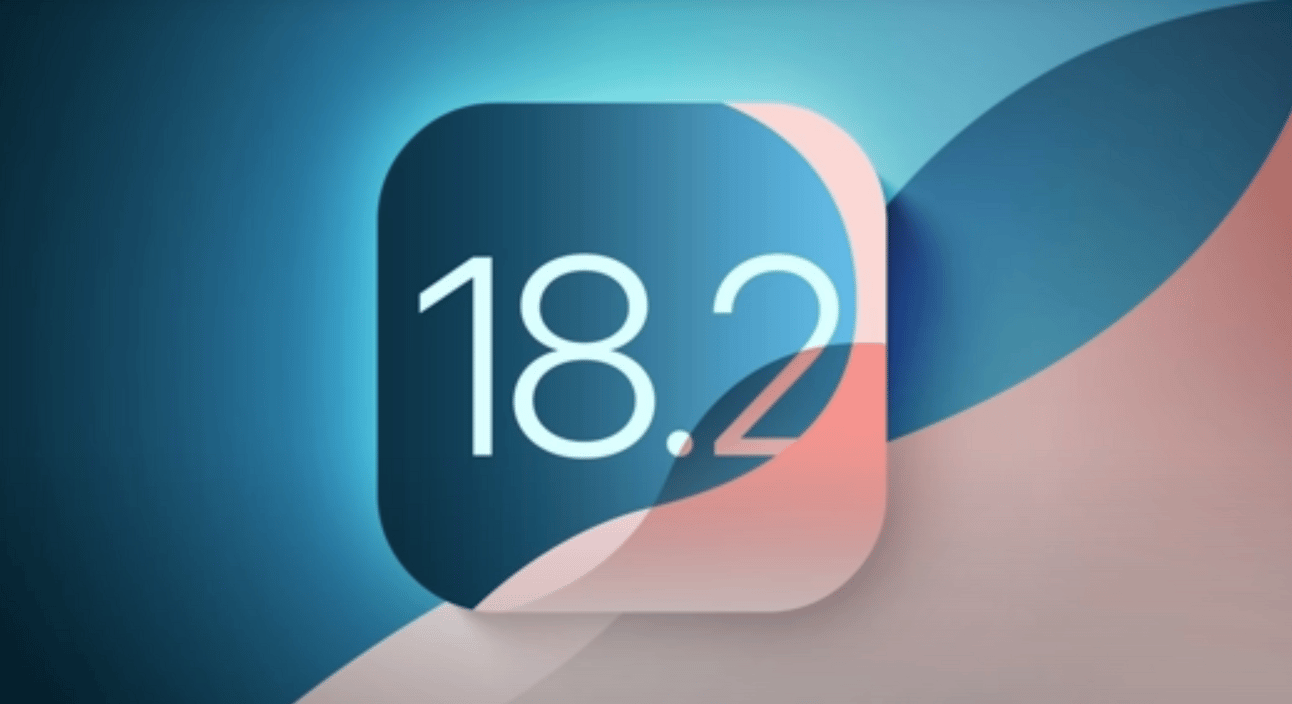
Screenshot: Macrumors/YouTube
Apple has launched the public beta of iOS 18.2, adding advanced Apple Intelligence features like Image Playground, Genmoji, and ChatGPT integration. Image Playground allows users to generate cartoonish images from text prompts, while Genmoji creates custom emojis based on descriptions or photos. Visual Intelligence provides additional details within photos, like location information or text summaries. Siri can now summon ChatGPT for deeper responses, accessible without an account or via ChatGPT Plus. Available for iPhone 15 Pro, Pro Max, iPhone 16, and certain iPads, this update continues Apple’s staged AI rollout, with a third wave of enhancements expected in 2025. Apple Intelligence features won’t reach EU iPhones due to regulatory uncertainties, though they’re planned for EU Macs and, eventually, China.
Nvidia Unveils Advanced AI Tools for Robotics
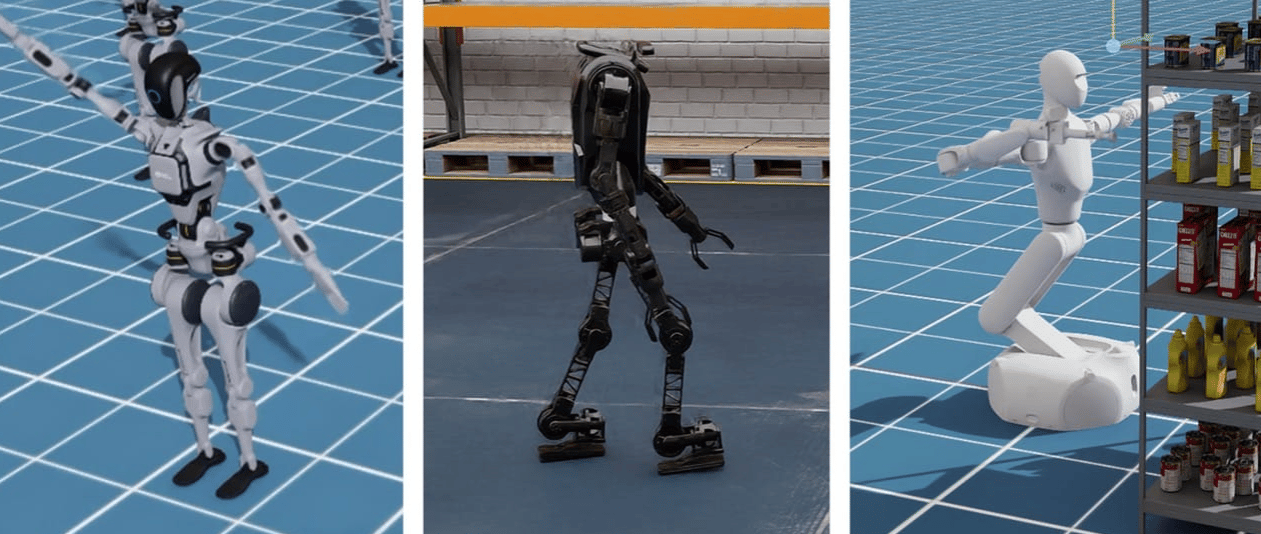
Image: Nvidia
Nvidia has introduced advanced AI and simulation tools to accelerate robot learning and humanoid development, revealed at the Conference for Robot Learning (CoRL) in Munich. Key highlights include the Nvidia Isaac Lab, an open-source framework built on Omniverse, supporting scalable training across robot types. Project GR00T, part of this launch, offers six new workflows to enhance humanoid capabilities. Additionally, Nvidia’s Cosmos tokenizer and NeMo Curator streamline high-compression video and image processing, boosting efficiency up to 12 and 7 times, respectively. Nvidia and Hugging Face are collaborating on open-source robotics projects, while Isaac Lab 1.2 and Cosmos tokenizer are now available on GitHub. NeMo Curator’s video processing pipeline launches later this month.
SambaNova and Hugging Face Enable Instant Chatbots
Source: Venturebeat
SambaNova and Hugging Face have introduced a one-click integration, simplifying the deployment of ChatGPT-like AI chatbots from hours to mere minutes. Developers can now create fully operational chatbots on Hugging Face’s Spaces by obtaining an access token from SambaNova Cloud’s API and running three lines of Python code. This integration allows both text-only and multimodal chatbots, supporting models like Llama 3.2-11B-Vision-Instruct with speeds of up to 358 tokens per second. This ease of deployment broadens AI access, particularly for enterprises with limited technical resources, reducing development costs and time-to-market. To promote adoption, SambaNova and Hugging Face will host a hackathon in December, showcasing the platform’s capabilities for efficient AI chatbot deployment at scale.
Heads Up
OpenAI acquired the domain name Chat.com from HubSpot founder Dharmesh Shah, marking a potentially historic domain purchase; it now redirects to ChatGPT.
Google unintentionally leaked "Jarvis," an AI system for autonomous computer and web task control, on the Chrome Web Store before its December release date.
Chinese AI video platform KLING is launching ‘Custom Models,’ enabling users to train personalized video characters with 10-30 clips for consistent multi-angle appearances
Saudi Arabia announced "Project Transcendence," a $100B AI initiative aiming to position the kingdom as a global tech leader through investments in data centers, startups, and infrastructure.
Research from Ziff Davis reveals that top AI companies, including OpenAI, Google, and Meta, use more premium publisher content for LLM training than disclosed.
AI Solution
Microsoft Unveils Magnetic-One: Multi-Agent AI System Revolution
Microsoft has introduced Magnetic-One, an AI orchestration system designed to manage multiple specialized agents that collaboratively handle complex, multi-step tasks like coding, browsing, and ordering food. At the core of Magnetic-One is an "Orchestrator" agent that directs a team of four specialized AIs, each focusing on specific subtasks. These agents work autonomously to plan, execute, and adjust strategies, showcased through demos such as placing food orders or identifying stock trends. Magnetic-One is open-source, allowing broad access, and includes AutoGenBench, a testing tool for assessing agentic performance. This system has proven competitive against top multi-agent benchmarks like GAIA, AssistantBench, and WebArena. By advancing multi-agent coordination, Microsoft’s approach could accelerate AI's ability to tackle real-world tasks, bringing the vision of personalized, task-driven AI teams closer to reality.