- Superintelligence
- Posts
- Einstein Agent, Dead Voices, License Free
Einstein Agent, Dead Voices, License Free
In today's edition of Superintelligence, we cover AI developments in the US, China, UK, and Canada.
The AI World Today
Salesforce Unveils Einstein Agent
AI Brings Back Legendary Actors
Kling AI Enhances Video Generation
Stability AI Changes License Free
Law Societies Issue AI Rules
+
Heads Up
Save the Date
Good Reads
Salesforce's Einstein Agent Transforms Customer Support
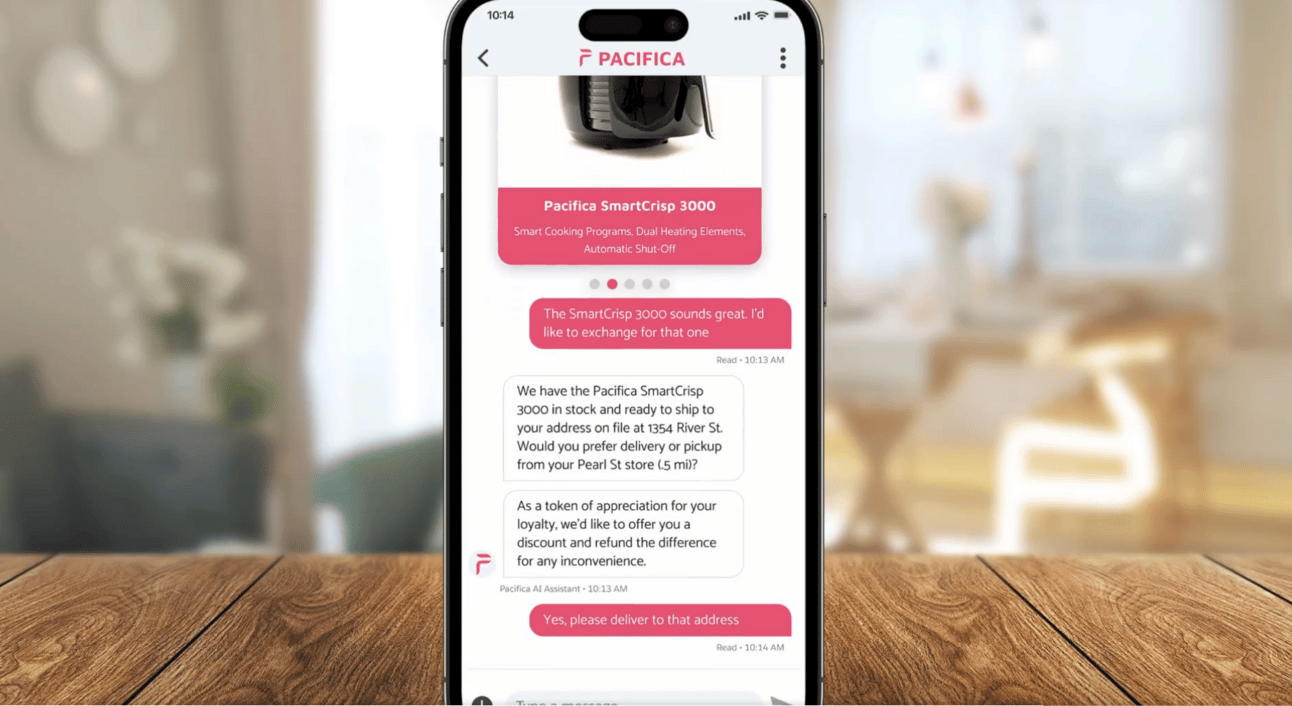
Screenshot: Mac Benioff/X
Salesforce CEO Marc Benioff has introduced the Einstein Service Agent on the new Agentforce Platform, offering intelligent customer support with seamless digital and human collaboration for rapid case resolution. Key features include omni-channel transfer, AI that reads text, images, and video, and real-time data harmonization with Data Cloud. At Dreamforce 2024, attendees can explore these advancements. Additionally, Salesforce's new xLAM-1B model, with only 1 billion parameters, outperforms larger models in function-calling tasks. Developed by Salesforce AI Research using the innovative APIGen pipeline, this compact model is suitable for on-device applications, potentially revolutionizing AI capabilities on smartphones and addressing privacy concerns by running locally.
Famous Actors’ Voices Revived by ElevenLabs
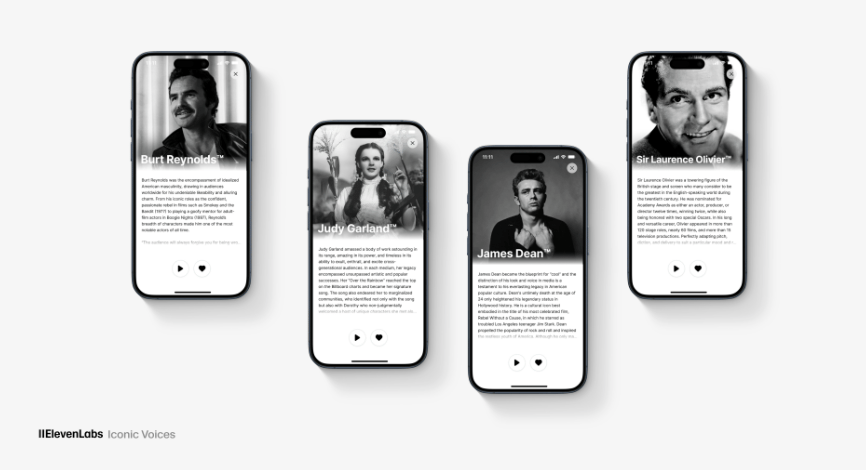
Screenshot: ElevenLabs
AI startup ElevenLabs has secured approval to recreate the voices of iconic US actors, including Judy Garland and James Dean, for its Reader app by partnering with their family estates. This strategic move helps ElevenLabs avoid potential copyright infringement lawsuits and negative PR. The Reader app allows users to listen to digital texts, such as articles and e-books, narrated by these legendary voices, providing an emotionally rich and context-aware experience. This development marks a significant step in ElevenLabs' mission to make content accessible in various languages and voices while honoring the legacies of these celebrated actors.
Kling AI Unveils Enhanced High-Resolution Video Model

Screenshot: Guizang.ai/X
On July 5, Kling AI released a new and enhanced video generation model. Introduced in China, Kling AI's new features include higher resolution video generation, start and end frame control, and dynamic camera movement options. The web version is now available and free for a limited time. The updated model maintains the range of motion and clarity of the Gen3 while improving aesthetics and control methods. Users can generate high-resolution 10-second videos three times a day for free, with options for imaginative or stable outputs. Upcoming features include lip synchronization, consistent character IDs, and graffiti-based screen structure control. Developed by Kuaishou, Kling AI sets new standards in AI-generated content with its advanced video generation capabilities.
Stability AI Offers Free Models for Research

Image: Stability AI
On July 5, the London-based Stability AI released a new Community License, making their AI models free for research, non-commercial, and small commercial use. This means only enterprises with annual revenues over $1M need a paid license. The update comes after feedback on the previous commercial license for SD3 Medium, which caused community confusion and concern. The new license aims to be more user-friendly, allowing broad free use for researchers, developers, and small businesses. Founded in 2019, Stability AI is known for developing advanced open-source AI models, including the popular Stable Diffusion, and is dedicated to democratizing AI technology.
Canadian Law Societies Provide AI Usage Guidance

AI Generated Illustration
Five Canadian law societies, including Alberta, Manitoba, Saskatchewan, British Columbia, and Ontario, have issued guidance for lawyers using generative AI. This guidance includes resources on professional and ethical obligations, practical tips, and a white paper highlighting AI-related risks. Lawyers are reminded to uphold their duties of competence, confidentiality, and candour while using AI. The guidance emphasizes AI's limitations, such as potential inaccuracies and biases. Lawyers are encouraged to stay informed about AI developments and legislative changes, such as the pending Artificial Intelligence and Data Act (AIDA). Courts now require disclosure of AI-generated content in legal documents to ensure transparency and mitigate risks.
Heads Up
AI Funding: AI Coding Startup Magic Seeks $1.5-Billion Valuation
AI Capital: Europe’s $220M VC Fund to Focus on AI
AI Alliance: Hedra, ElevenLabs Teams Up To Give Voice to Video
AI Hype: Foxconn Q2 Revenue Beats Market Forecast on AI Server Demand
Save the Date
July 10: Don’t Miss Samsung’s Event On Galaxy AI
Good reads
July 1: A New Index Is Using AI Tools to Measure U.S. Economic Growth
July 5: How Fear of AI Could Limit its Benefits to a Few