- Superintelligence
- Posts
- AI’s Future is Superintelligence
AI’s Future is Superintelligence
From US, to China, India and Middle East, AI's development is quick...
The AI World Today
Apple Expands AI Integration
ByteDance, Broadcom Partner on AI
Meta AI Launches in India
Nvidia AI Expands into Middle East
AI’s Future is Superintelligence
AI Propaganda by ISKP
Major Labels Sue Suno AI
+
Take Note
Good Reads
Apple Discusses Integrating AI Models from Meta
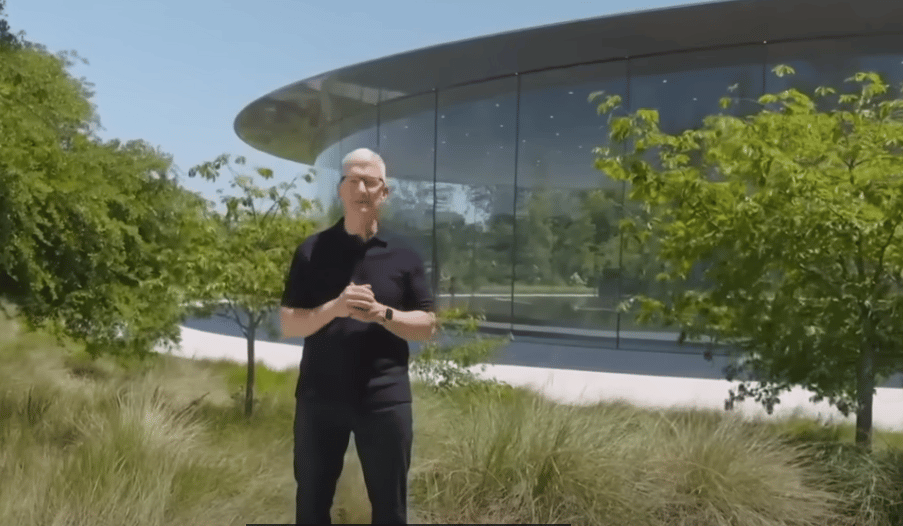
Screenshot: CNBC/YouTube
Apple is in discussions to integrate generative AI models from Meta, Anthropic, and Perplexity into its recently announced AI system for iPhones, according to the Wall Street Journal. This move aligns with Apple's plan to incorporate technology from various AI companies, potentially including AI companies in China. Notably, AI startup Anthropic and search startup Perplexity are also in talks with Apple to integrate their AI technologies. These partnerships aim to expand the distribution of AI products, although financial details remain unclear and the talks could fall, according to the journal. Unveiled in June, Apple’s new AI strategy includes integrating ChatGPT and other advanced AI into its suite of apps, including Siri.
ByteDance, Broadcom Partner on AI

Screenshot: Bytedance AI/ Daubao.com
ByteDance is collaborating with U.S. chip designer Broadcom to develop a 5nm AI processor, according to Reuters. This move helps TikTok's owner secure high-end chips amid U.S.-Sino tensions and U.S. export restrictions on cutting-edge semiconductors. The processor will be manufactured by Taiwan's TSMC but not this year. ByteDance's AI push includes a ChatGPT-like service, Doubao, with 26 million users. Facing limited AI chip supply, ByteDance has stockpiled Nvidia chips, allocating $2 billion for purchases last year, and also bought Huawei's Ascend 910B chips. The company is expanding its semiconductor team and hiring ASIC chip designers, indicating a significant investment in its AI capabilities.
Meta AI Rolls Out Gradually in India
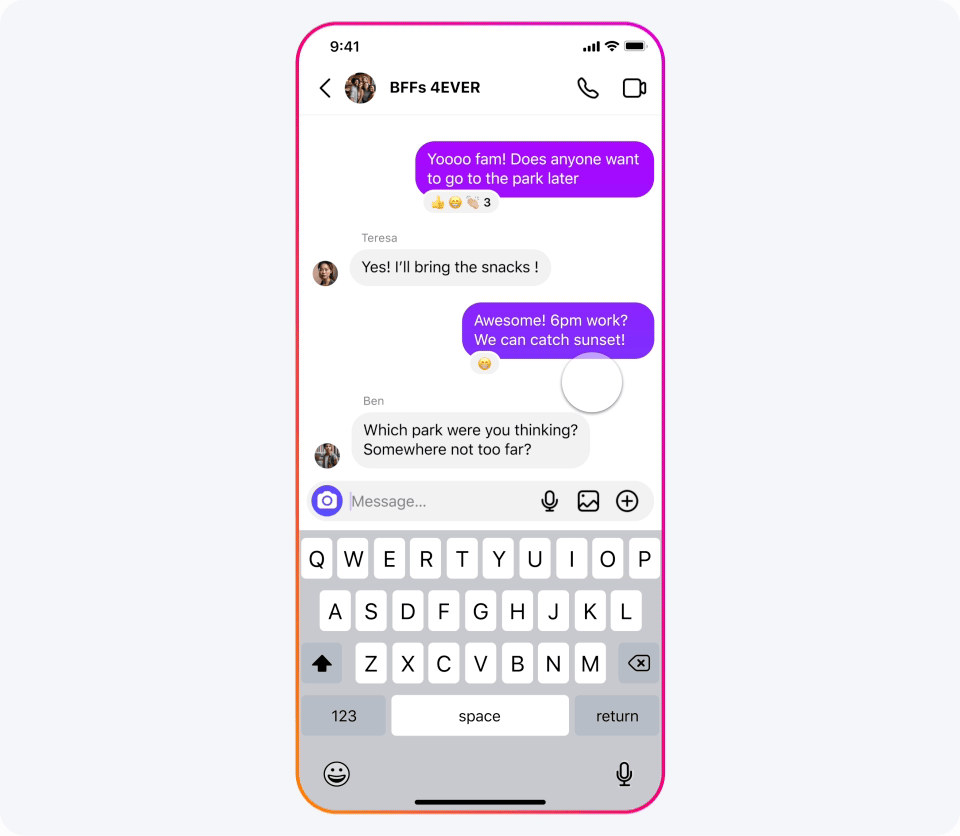
Screenshot: Meta AI/ fb.com
Social media giant Meta is rolling out its AI assistant, Meta AI, to Indian users starting June 23. Unlike other AI assistants, Meta AI will be available in English on WhatsApp, Facebook, Instagram, and Messenger. It can handle tasks such as writing emails, summarizing texts, and translations, and also allows users to generate text, images, and animations. Meta AI provides real-time information powered by Google and Bing, making it versatile. The rollout appears gradual, with availability not yet in all regions. This comes a week after Google launched its AI assistant, Gemini, in India, which supports multiple Indian languages and features like event planning and social media caption creation.
Ooredoo Integrates Nvidia AI Technology Regionally
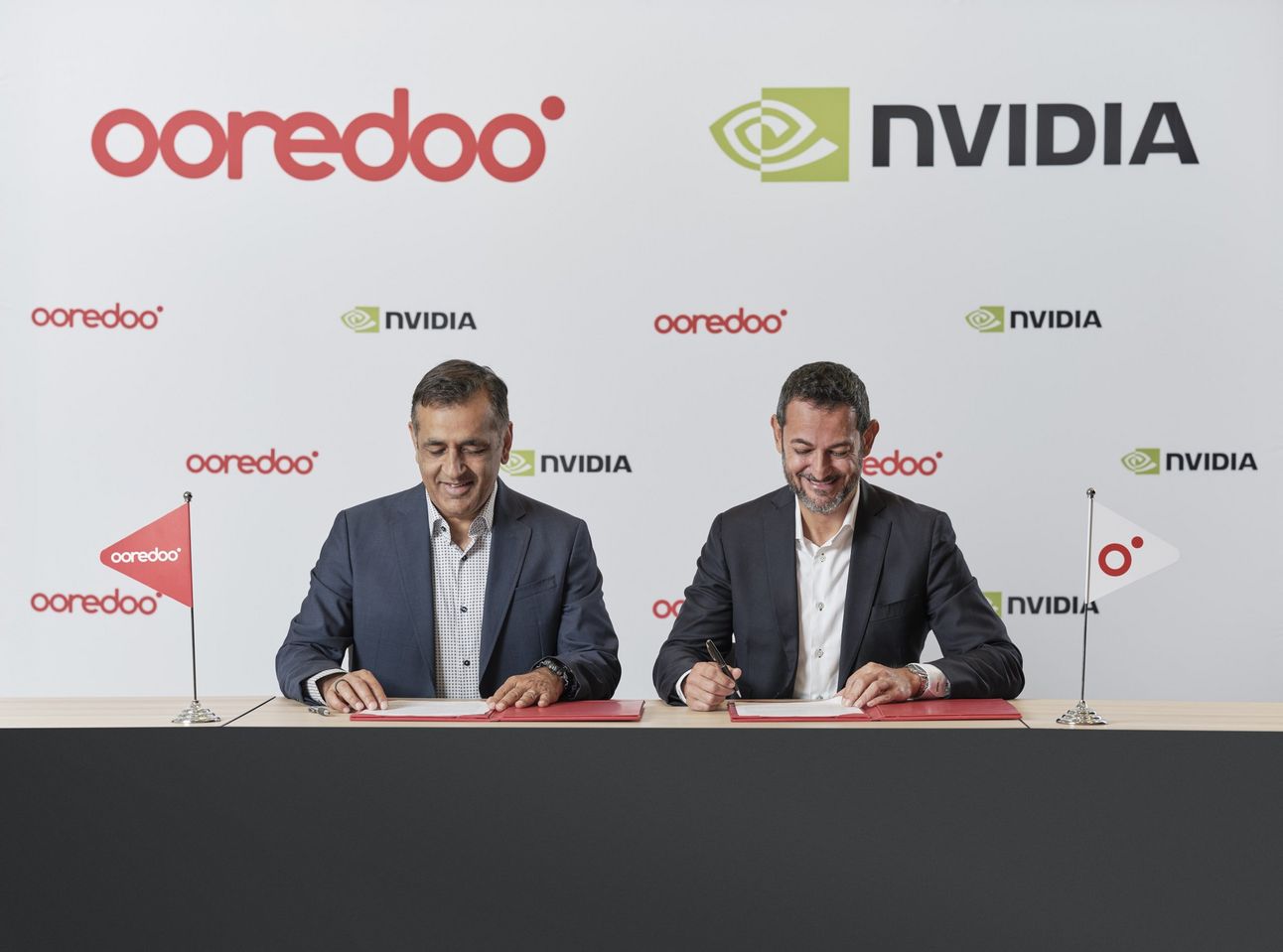
Screenshot: Ooredoo.com
Nvidia has partnered with Qatari telecom giant Ooredoo to deploy advanced AI technology in its data centers across the Middle East. This marks Nvidia's first large-scale launch in the region, where the US restricts advanced chip exports. Ooredoo will offer clients in Qatar, Algeria, Tunisia, Oman, Kuwait, and the Maldives direct access to Nvidia's AI and graphics processing technology, enabling the creation of local AI ecosystems and enhancing data security. Ooredoo can now provide GPU-as-infrastructure, supporting advanced AI models. CEO Aziz Aluthman Fakhroo highlighted the move as a step towards leading AI innovation in MENA. Ooredoo is investing $1 billion to expand its data center capacity, planning to nearly triple it by 2030. The deal's financial details remain undisclosed.
U.S. Proposes AI Investment Rules for China
Screenshot: finance.yahoo.com
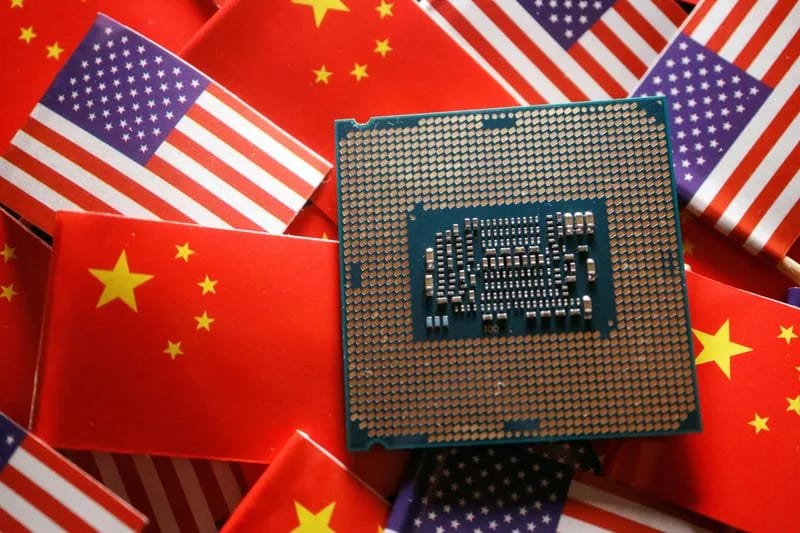
The United States issued draft rules on June 21 to ban or require notification of certain investments in China's AI and technology sectors, aiming to protect U.S. national security. The U.S. Treasury Department published these proposed rules following President Joe Biden's executive order last August. The rules focus on preventing U.S. expertise from aiding China's technological advancements, specifically in AI, semiconductors, and quantum computing. The proposed regulations require U.S. entities to identify restricted or banned transactions, with an implementation target by year-end. Public comments are open until August 4. Exemptions include transactions in the U.S. national interest and certain securities. The rules initially target China, Macau, and Hong Kong but may expand. Violations could result in criminal and civil penalties. Treasury emphasized cooperation with U.S. allies on these measures.
AI's Future: Rapid Growth and Superintelligence
AI Generated
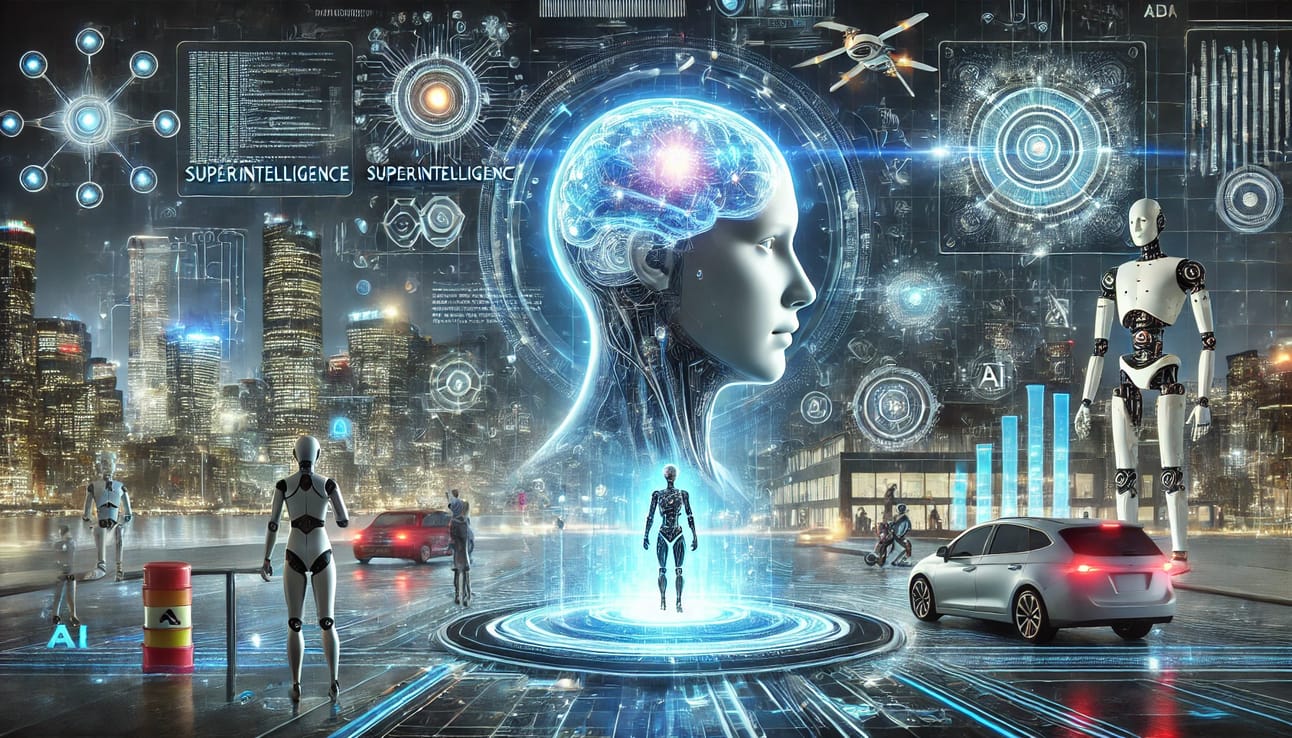
Leopold Aschenbrenner's 50,000-word essay "Situational Awareness: The Decade Ahead," circulating in Silicon Valley, predicts rapid AI advancements, countering recent industry disillusionment. Key points include trusting trendlines as deep learning consistently works, skeptics of deep learning are repeatedly proven wrong, by 2027, AI could match AI researchers' capabilities, future AI will function more like coworkers, a data shortage may soon hinder language model pretraining, AI progress won't stop at human-level, rapidly advancing to superintelligence, AI will drive major revenue growth for large corporations failing to secure AGI research may lead to key breakthroughs leaking to China, superintelligence will be crucial for U.S. national defense, and few understand the imminent, drastic changes. Aschenbrenner, an AI investor with a background in effective altruism, emphasizes the transformative potential of AGI.
ISKP Uses AI for Propaganda Videos
Screenshot: Afghanwitness.org
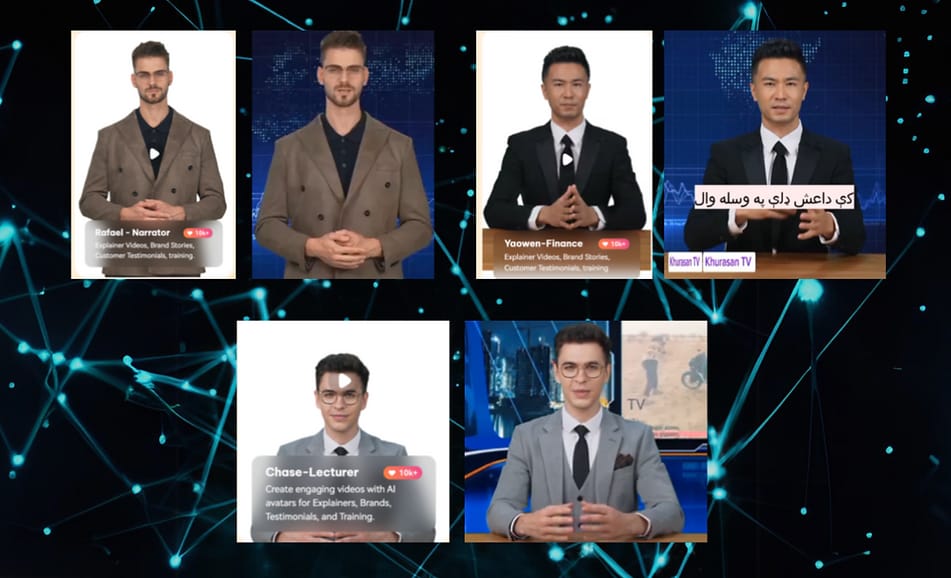
A group called “Khurasan TV” is using AI video generation to create newscasts for attacks claimed by Islamic State Khorasan Province (ISKP), according to Afghan Witness. The first video, broadcasted between May 18 and 20, 2024, claimed responsibility for a May 17 attack in Bamyan province, killing three Spanish tourists. Since then, at least eight videos have been shared on Teleguard, a privacy-focused messaging platform. These videos feature AI-generated presenters and voice synthesis in Pashto, created using Virbo software by Wondershare. Despite increased calls to switch to Teleguard, its limited features have restricted widespread use. AW notes that other pro-IS groups, like Hisad, also produce similar AI-generated content on platforms like Rocketchat.
Suno AI Faces Major Labels' Copyright Lawsuit
Screenshot: Afghanwitness.org
Major record labels including Universal Music Group, Sony Music, and Warner Music have filed a lawsuit against AI music program Suno AI for copyright infringement. The labels allege that Suno AI has used copyrighted sound recordings without permission to train its AI models, resulting in outputs that closely match specific copyrighted tracks. An investor noted that Suno needed to create its product without constraints from deals with labels. The lawsuit seeks an injunction and damages, emphasizing the need for copyright law adherence to incentivize human creativity. Suno AI, launched in December 2023, uses AI to generate music from text prompts, aiming to democratize music creation.
Take note
AI in Warfare: How AI is changing warfare?
AI in Europe: Apple says it won't roll out AI features in Europe due to regulatory concerns
AI as for profit service: Amazon mulls $5 to $10 monthly price tag for unprofitable Alexa service, AI revamp
AI for AI: Researchers built a BS detector for AI
AI in India: AI Spending Expected to Reach $6 Billion by 2027
Good reads
June 24: Calculating Empires: A Genealogy of Technology and Power Since 1500
June 21: AI in Finance: Bot, Bank & Beyond