- Superintelligence
- Posts
- AI PCs in India, AI Tiers for AGI, First OnDemand AI Operating System
AI PCs in India, AI Tiers for AGI, First OnDemand AI Operating System
In today's edition of Superintelligence, we cover AI developments in in the world of AI with a focus on India, China, US, Middle East, and Australia.
In partnership with

The AI World Today
NVIDIA Launches AI PCs
OpenAI Introduces AI Tiers
Gemini Enhances Robot Navigation
AWS Invests $50M in Public AI
US Guidance for AI Education
China's AI Sci-Fi Launch
Meet First OnDemand AI OS
AI Enhances Skin Cancer Detection
+
AI Spotlight
Heads Up
Save the Date
Good Reads
NVIDIA’s RTX AI-Equipped PCs for Indian Market
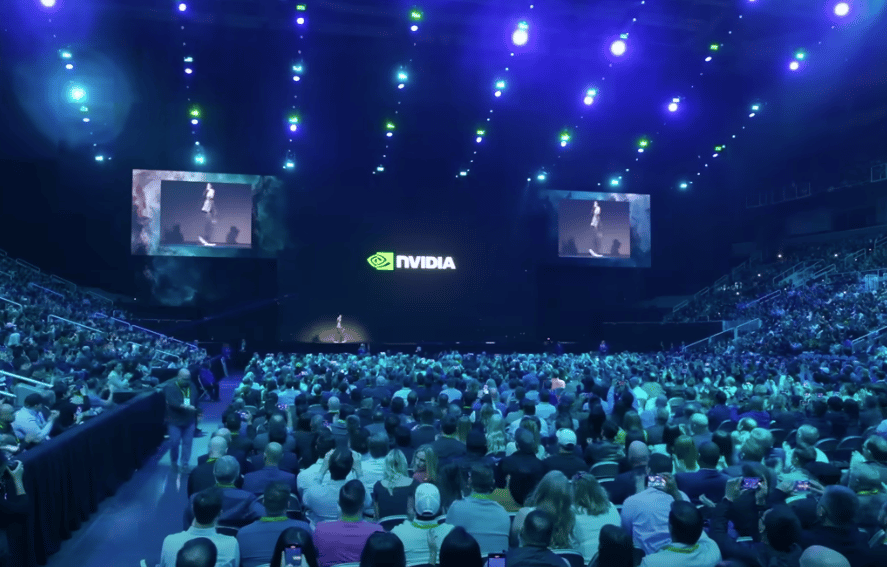
Screenshot: NVIDIA/Youtube
NVIDIA has partnered with six Indian PC builders—The MVP, Ant PC, Vishal Peripherals, Hi Tech Computer Genesys Labs, XRig, and EliteHubs—to launch ‘Made in India’ PCs equipped with RTX AI technology. This collaboration aims to enhance gaming, content creation, and development by providing high-performance and cost-effective solutions. Vishal Dhupar, Managing Director, Asia South at NVIDIA, emphasized India's potential to lead in AI and computing, projecting the AI market to reach $6 billion by 2027. The new PCs will benefit gamers with improved performance and visual experiences, while creators and developers will find 3D rendering, video editing, and AI-driven content generation more accessible. This initiative supports over 120 million creators in India, driving technological progress and redefining user experiences.
OpenAI Reveals Five-Level Path to AGI

Image: OpenAI
OpenAI has introduced a five-tier classification system to delineate its progress toward achieving artificial general intelligence (AGI), reported Bloomberg. The levels range from the current conversational AI (Level 1) to advanced AI capable of autonomously operating an organization (Level 5). OpenAI considers itself at Level 1, nearing Level 2, or "Reasoners," which entails basic problem-solving akin to a human with a doctorate. This initiative aims to provide transparency on OpenAI’s AI safety measures and future vision. The tiers were revealed during an all-hands meeting and will be shared with investors and stakeholders. The company plans to refine these levels based on feedback from employees, investors, and its board.
DeepMind's Gemini Empowers Advanced AI Navigation
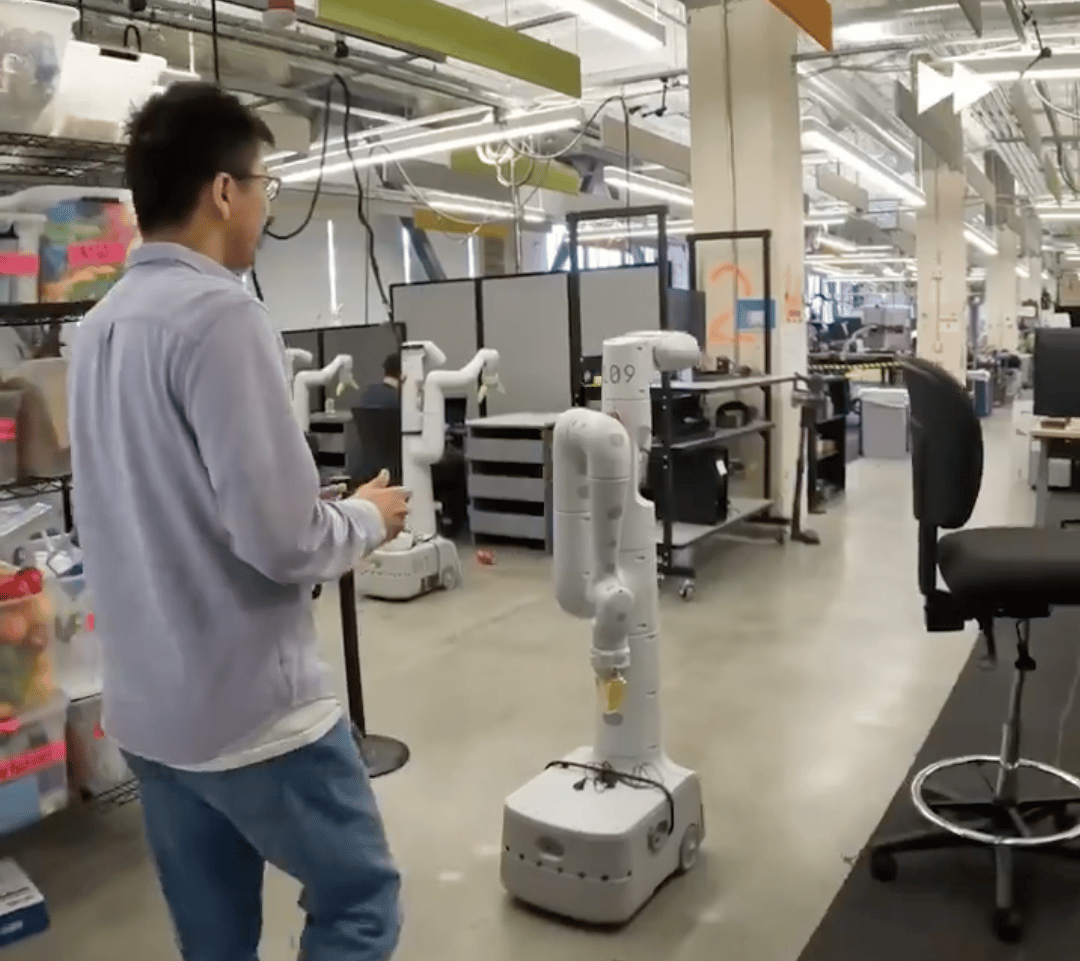
Screenshot: Google Deep Mind/X
Google DeepMind has published new research showcasing the capabilities of their Gemini 1.5 Pro model in robot navigation. The research leverages Gemini 1.5 Pro's extensive context window to enable robots to navigate complex environments using human instructions. In tests, the robots successfully responded to multimodal instructions such as map sketches, audio requests, and visual cues. Additionally, the system allows for natural language commands like "take me somewhere to draw things." This breakthrough aims to enhance robots' understanding and execution of tasks in real-world settings, pushing the boundaries of AI in robotics and human interaction.
FREE AI & ChatGPT Masterclass to automate 50% of your workflow
More than 300 Million people use AI across the globe, but just the top 1% know the right ones for the right use-cases.
Join this free masterclass on AI tools that will teach you the 25 most useful AI tools on the internet – that too for $0 (they have 100 free seats only!)

This masterclass will teach you how to:
Build business strategies & solve problems like a pro
Write content for emails, socials & more in minutes
Build AI assistants & custom bots in minutes
Research 10x faster, do more in less time & make your life easier
You’ll wish you knew about this FREE AI masterclass sooner 😉
AWS Launches $50M Generative AI Initiative

Screenshot: Simplilearn/YouTube
Amazon Web Services (AWS) has announced a two-year $50 million investment to help public sector organizations leverage generative AI for critical missions. The initiative, running from June 26, 2024, to June 30, 2026, includes promotional credits, training, and technical support tailored to customers' AI skills and project maturity. The AWS Public Sector Generative AI Impact Initiative will provide tailored training, expert guidance from the Generative AI Innovation Center, technical support from AWS experts, and networking opportunities. Additionally, participants can attend AWS Summit events worldwide and showcase their success stories. This initiative aims to optimize resources, improve patient care, personalize education, and enhance security in the public sector.
U.S. Department of Education Issues AI Guidance
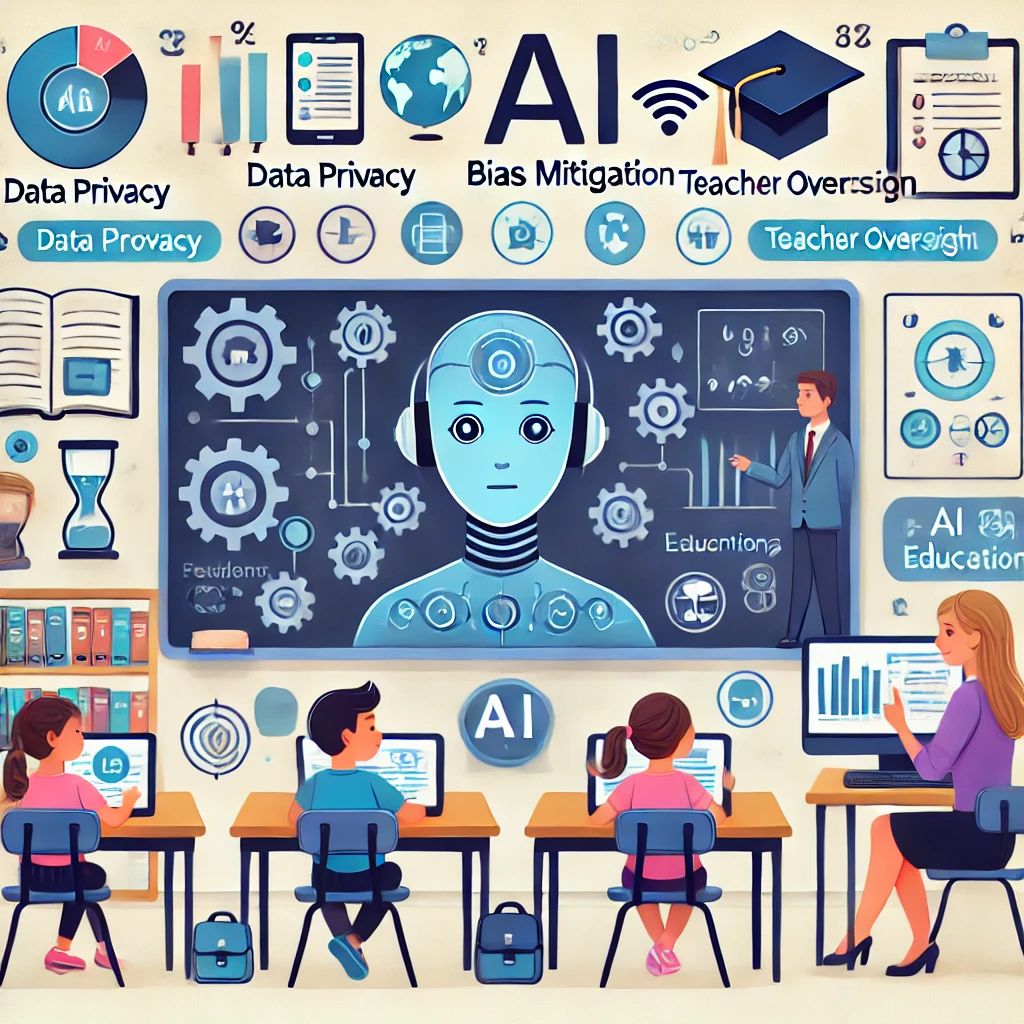
AI Generated Illustration
The U.S. Department of Education released new guidance on July 8, urging educators to collaborate with tech developers to ensure AI innovations in schools are responsibly managed. The guidance, "Designing for Education with Artificial Intelligence: An Essential Guide for Developers," provides comprehensive recommendations for vendors and school officials. It emphasizes the importance of incorporating educator feedback, evidence-based practices, and safeguarding student data and civil rights. The guidance grew from the Biden administration's AI initiatives and aims to shape responsible AI tool development without needing federal regulation. Key recommendations include designing with teaching in mind, mitigating bias, protecting privacy, and ensuring transparency. This guidance was developed through public listening sessions and consultations with stakeholders.
Douyin Airs China’s First AI-Generated Series

Sci-fi series
China’s first AI-generated sci-fi series, Sanxingdui: Future Apocalypse, is now being broadcast on Douyin, TikTok's Chinese version. Produced by Bona AIGMS Production House in collaboration with Douyin’s AIGC platform, Dreamina, the series features three-minute episodes released daily. It has already garnered over 20 million views. Bona’s CEO Jiang Defu emphasized the urgency to air the series quickly due to rapid technological advancements. Despite some imperfections, such as unsynchronized lip movements and stiff character actions, the project is seen as a significant step forward. With further iterations and improvements in AI tech, Bona plans to expand this innovative venture. The series could pave the way for more AI-generated content, possibly even reaching cinemas.
UAE-based Companies Unveil OnDemand AI Operating System

Image: Middle East Info
UAE-based Core42 and AIREV have unveiled the OnDemand AI Operating System (AIOS), marking the first significant collaboration since their partnership began in February. Developed by AIREV on Core42’s advanced infrastructure, OnDemand AIOS is a decentralized system designed to streamline AI deployment. It allows developers to deploy AI models from sources like Hugging Face and supports custom models, providing flexibility and customization. The platform features a marketplace ecosystem for plugins and agents, multi-step Retrieval-Augmented Generation (RAG) for complex API integrations, and a low-code solution for accessible AI development. This launch aligns with the UAE’s National Strategy for Artificial Intelligence 2031, aiming to lower barriers to AI development and support global innovation.
Ausi-based Advanced AI for At-Home Skin Cancer Screening

Screenshot: AI Medi Scan
AI Medi Scan, an Australian company, is developing an innovative device using AI and fluorescence imaging for at-home skin cancer checks, addressing the shortage of dermatologists in Australia. The handheld device aims to enhance melanoma detection by analyzing skin abnormalities across different light spectrums. This technology promises improved diagnostic accuracy and reduced false negatives. Established to tackle the critical need for accessible skin cancer screening, AI Medi Scan’s efforts have garnered significant recognition, including the Gold Winner at the Titan Health Awards. Founder Haoyuan Ma emphasizes the device's potential to revolutionize skin health management. The company plans to collaborate with industry and government to implement a national risk profiling program.
AI Spotlight
From Fun Weekend Project to AI-Powered Data Accessibility

Image: Rami
Meet Rami and Dataline, a backend engineer by profession, open source maintainer (Pet: https://github.com/knqyf263/pet, DataLine: https://dataline.app), and content creator.
Mr AI: What inspired you to build an MVP for text-to-SQL, and how has the vision evolved to using Langgraph for the core of your AI app?
Rami: It started as a fun weekend project actually, exploring the ability of LLMs to write SQL. The first iteration was a simple Text to SQL page, where you plug in your database schema and generate and execute SQL. But I kept playing with the idea and iterating on it until it finally impressed some friends enough to join and help me build what is DataLine today! In the beginning we had a hardcoded workflow. That didn't work out great as we had to handle errors manually, add in error-correction cycles, add retry cycles in case SQL failed execution, etc. Then we moved to an agent with tools. That was a lot more powerful, it kept cycling and using the proper tools on its own and correcting errors. But it was hard to control and enforce certain paths if a tool was used. For example, we only want to generate charts after we generate and execute SQL. Otherwise we won't know how to generate the chart or what it would look like! So adding in these guardrails proved difficult if we only have a two-node graph (equivalent of an agent). In our last rewrite, we figured out that Langgraph was actually what we were looking for. It just made sense that AI apps need to be powerful but also have guardrails, and Langgraph helped us achieve that by extending the "agent" architecture into multiple paths through the graph instead of just one.
Mr AI: Can you describe a real-world application where your state machine approach has significantly improved AI performance and accuracy?
Rami: One example is making sure the charting flow is only accessible after the state machine has executed SQL and fetched results from a data source. This helps us validate the input data to the charting tool as well, ensuring high quality charts that work. If the validation fails, we can ask for regeneration of SQL and try again.
Mr AI: How do you foresee modern AI apps evolving with the integration of state machines and LLMs, and what unique advantages does your solution offer?
Rami: In general the difference between a deep graph and an agent with tools will only become apparent when you're building complex applications with more advanced flows. For MVPs, agents, which are a two node state machine, are sufficient. The LLM node calls the tools node, and the results are fed back into the LLM node. But add more flows, ex. chart generation, data analysis, data exploration, and an agent-based approach will reveal it's limitations.
Mr AI: What key feedback from users led to the multiple rewrites of your MVP, and how did those iterations shape the final product?
Rami: Before we rewrote the app using agents, it really couldn't answer more complicated questions or handle errors well. It was pretty limiting to hardcode the flow ourselves. But the minute we gave the LLM more control over the flow by using an agent, a lot of those problems disappeared. It sudddenly felt usable, and our users said it felt like a 10x upgrade in quality.
Heads Up
AI Service: US Legal Technology Start-Up Paxton AI Unveils New AI Citation
AI Invest :AI Data Quality Start-Up Soda Raises $14M For US Expansion
AI Funding: DAMAC Group Ramps Up AI Investments with $50m Anthropic Deal
AI Service: ADNOC Deploys AIQ’s AI-Powered RoboWell at Offshore NASR Field
AI Funding: Index Ventures Raises $2.3 Billion to Fuel AI Innovations
AI Capital: Intel Capital Leads Investment in Israeli AI Construction tech Start-Up Buildots
AI Challenge: Tesla Delays Robotaxi Launch to October
AI Hype: Hedge Funds Turn to South Korea for Next Wave in AI
Save the Date
July 9-11, 25: AI for Good Global Summit in Geneva
Good reads
July 11: Arena Learning : Build Data Flywheel for LLMs Post-training via Simulated Chatbot Arena