- Superintelligence
- Posts
- AI: 1 in 3 VC Dollars (1)
AI: 1 in 3 VC Dollars (1)
Hey friends! Welcome to the development of the AI world. Today's top AI news highlights Writer’s new AI model, OpenAI’s rhetoric towards Microsoft, and China’s Hailuo image to video model. Additionally, meet Adobe’s Content Authenticity web app, a free tool to help creators . Let’s dive in—enjoy this AI ride in just 4 minutes!
The AI World Today
Writer's AI Surpasses Giants
OpenAI Shifts from Microsoft
AI Powers Nobel Chemistry Breakthrough
Hailuo AI Launches Image-to-Video Model
+
Heads Up
AI Solution
Palmyra X 004 Revolutionises AI Workflow Automation
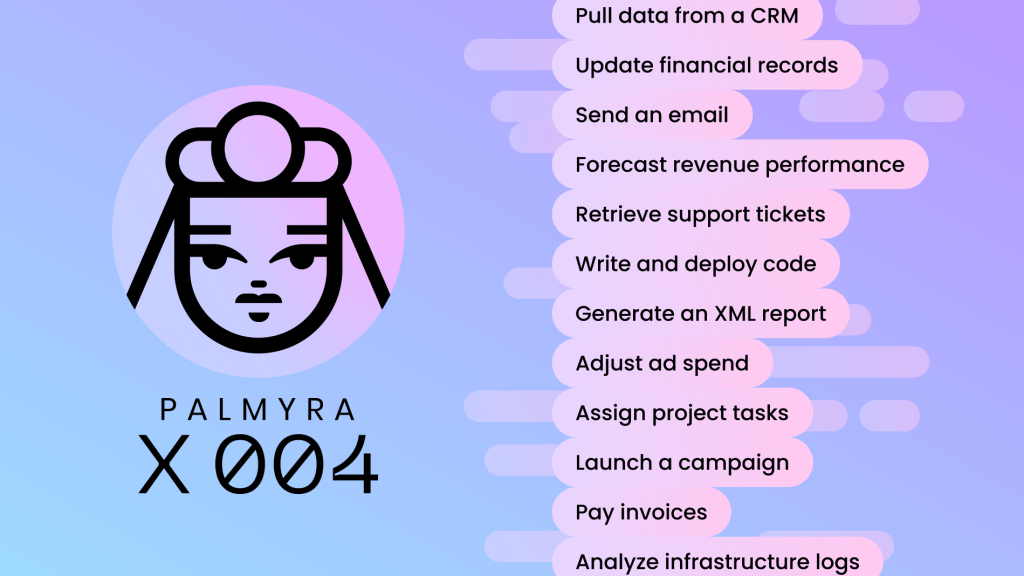
Image: writer
Writer, a full-stack generative AI platform, has unveiled its latest large language model, Palmyra X 004, marking a major leap in enterprise AI. Specialising in function calling and workflow execution, the model enables the creation of AI agents capable of automating complex business tasks. Palmyra X 004 outperformed industry giants, achieving a 78.76% score on Berkeley’s Tool Calling Leaderboard, surpassing competitors like OpenAI and Google. Despite its relatively smaller size—150 billion parameters—Writer credits its efficiency to innovative use of synthetic data and an early stopping mechanism. Offering multilingual and multimodal capabilities, Palmyra X 004 is designed for deployment flexibility and data privacy, positioning it as a key player in AI-driven enterprise solutions.
OpenAI Reduces Reliance on Microsoft's Cloud Services
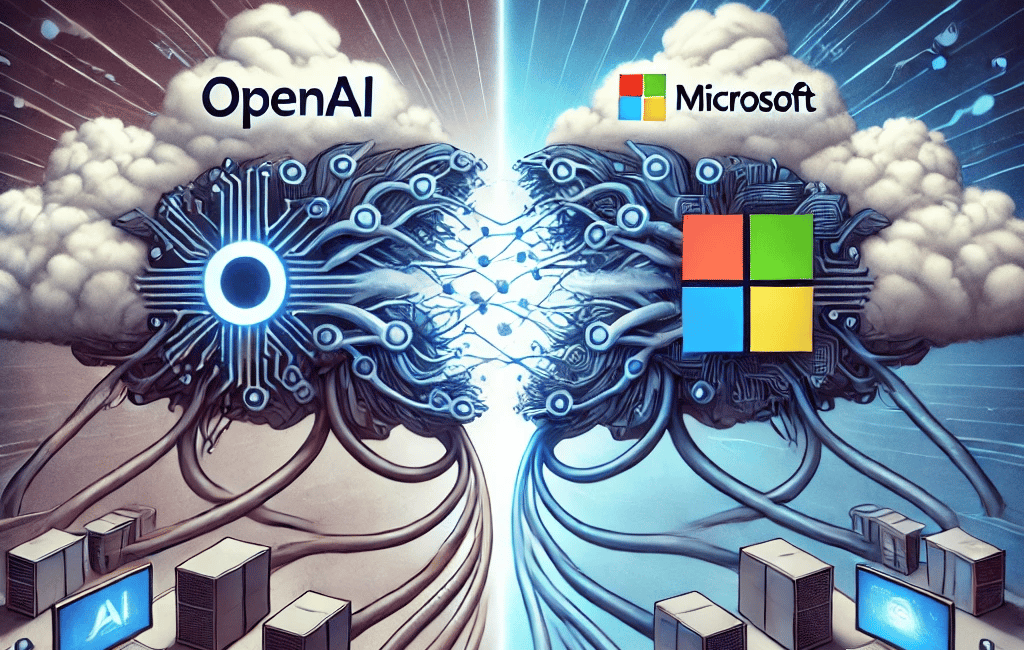
Illustration: Superintelligence AI
OpenAI is reportedly shifting its reliance on Microsoft for data centers and cloud services, according to The Information. After raising $6.6 billion, OpenAI aims to secure its own data centers and AI chips to address concerns about insufficient computing power from Microsoft. Notably, OpenAI has arranged to lease servers at Oracle's massive data center in Texas, marking a move toward independence. Despite these developments, OpenAI maintains that its strategic partnership with Microsoft remains intact. The decision is seen as part of OpenAI's broader strategy to stay competitive, especially against rivals like xAI. Disagreements over design and timelines for future expansions have also contributed to the company's push for alternative solutions.
AI Advances Earn Nobel Prize in Chemistry

Illustration: Superintelligence AI
DeepMind CEO Demis Hassabis and Director John Jumper have won the 2024 Nobel Prize in Chemistry for their work on AlphaFold, sharing the honor with David Baker of the University of Washington. AlphaFold revolutionized protein structure prediction by using AI to determine the 3D shapes of proteins from their genetic sequences, significantly accelerating a process that once took years to mere hours. This breakthrough has vast implications for drug discovery, disease diagnosis, and bioengineering. Baker's half of the prize recognizes his advancements in computational protein design, creating new proteins for pharmaceuticals and vaccines. The Nobel Prize comes with a $1 million award, split between Baker and the DeepMind team, highlighting the transformative impact of their discoveries.
Hailuo AI Expands with Image-to-Video Generation
Source: Hailuo AI
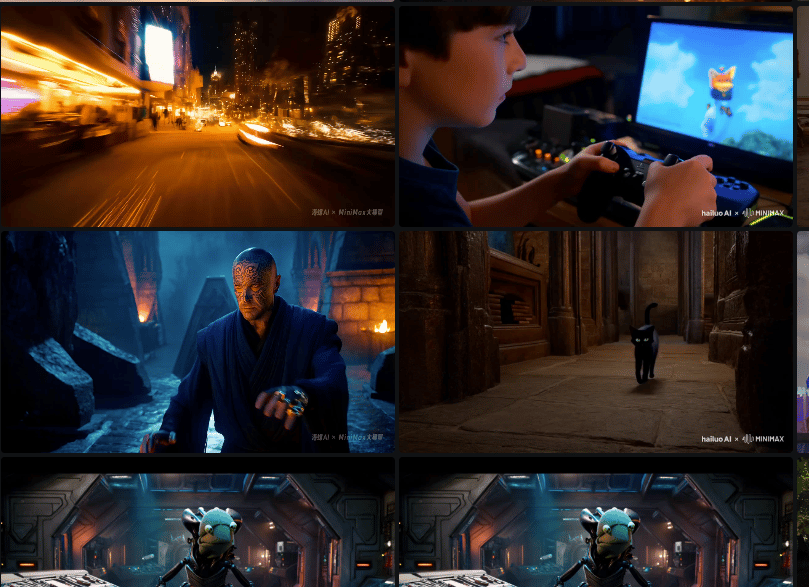
Chinese AI startup MiniMax has launched its Image-to-Video (img2video) feature through Hailuo AI, allowing users to transform static images into dynamic videos. Backed by Alibaba and Tencent, Hailuo AI, known for its ultra-realistic video generation, now competes with U.S. rivals by combining text and image inputs for personalized video creation. This new tool enhances flexibility, offering a variety of styles from super-realism to fantasy and anime. Hailuo AI’s img2video tool aims to elevate creative output, providing precision and control in video generation. Available on Hailuo’s website, it caters to filmmakers, digital artists, and other creators seeking AI-driven video solutions.
Heads Up
Scientists Geoffrey Hinton and John Hopfield won the 2024 Nobel Prize in Physics for pioneering machine learning and neural networks, foundational to today's AI advancements.
Hearst and OpenAI have partnered to integrate Hearst's magazine and newspaper content into OpenAI's products, enhancing ChatGPT with trusted journalism and diverse lifestyle insights.
Atlassian has launched Rovo, its AI teammate, alongside new AI features, now available as part of the Atlassian Intelligence platform for tools like Jira and Confluence.
Hugging Face launched OpenAI-Gradio, a tool allowing users to quickly build AI-powered web apps using OpenAI models, requiring minimal coding and setup time.
London-based Basecamp Research raised $60 million to develop an AI agent focused on biology and biodiversity, providing insights beyond human capabilities in natural sciences.
Uber is launching an AI assistant powered by OpenAI to help drivers transition to electric vehicles, supporting its $800 million commitment towards full EV adoption by 2040.
AI Solution
Adobe Launches Content Authenticity Web App
Adobe has introduced the Adobe Content Authenticity web app, a free tool to help creators protect their digital work and ensure proper attribution. The app allows users to apply Content Credentials, secure metadata acting like a “nutrition label” for digital content, across images, audio, and video files. This metadata includes details like creator names and social media, helping protect content from unauthorized use. A key feature allows creators to set Generative AI Training Preferences, signaling if their content can be used to train AI models. Additionally, the app includes an Inspect tool for viewing Content Credentials on various platforms, even if provenance information has been removed. A public beta of the web app will be available in Q1 2025.